Easy Chimichurri Sauce – Flavorful & Fresh
Chimichurri sauce is more than just a condiment; it’s a vibrant explosion of herbaceous flavor that has captured hearts and palates worldwide. If you’ve ever savored a perfectly grilled steak, a tender piece of chicken, or even roasted vegetables, and wondered about that bright, zesty sauce drizzled over it, chances are you’ve encountered the magic of chimichurri. What makes this Argentinian staple so beloved? It’s the non-intoxicating dance of fresh parsley and oregano, the subtle kick of garlic and chili, and the tangy embrace of vinegar and olive oil – a simple yet incredibly potent combination. This isn’t just a side note to your meal; our chimichurri sauce is designed to be the star, elevating even the most humble ingredients into something extraordinary. Get ready to transform your cooking with this versatile and utterly delicious sauce.
Chimichurri Sauce: The Bright and Zesty Herbaceous Dip You Need
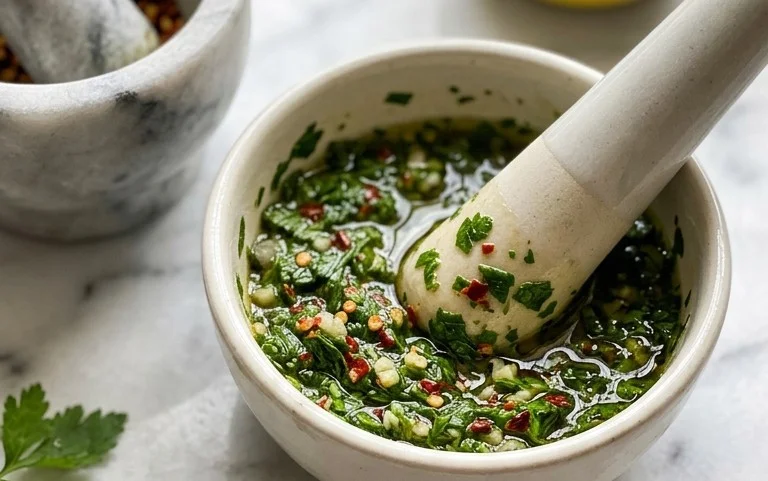
When you think of vibrant flavors that can elevate any dish, chimichurri sauce should immediately come to mind. Origin extractating from Argentina and Uruguay, this herbaceous, garlicky, and slightly tangy sauce is the perfect accompaniment to grilled meats, fish, vegetables, and even sandwiches. Its beauty lies in its simplicity and the freshness of its ingredients. Unlike many cooked sauces, chimichurri is a raw condiment, allowing the pure essence of its components to shine through. It’s incredibly versatile, easy to make, and adds an instant punch of flavor that is simply irresistible. Get ready to discover your new favorite condiment!
Ingredients:
Crafting Your Chimichurri Masterpiece
Making chimichurri is a wonderfully straightforward process, but the key to its exceptional flavor lies in the quality and preparation of your ingredients. I like to think of it as a little culinary dance, where each ingredient plays its part in creating a harmonious symphony of taste.
1. The Herbaceous Foundation
Begin extract by preparing your fresh herbs. For the parsley, ensure you’re using the leaves and tender stems. If the stems are particularly woody, discard them. Wash your parsley thoroughly and give it a good shake to remove excess water, or better yet, use a salad spinner. Repeat this washing and drying process for the fresh cilantro. If you are opting for dried oregano, measure out your 1 teaspoon. If using fresh oregano, you’ll want to strip the leaves from the stems. A good rule of thumb for fresh herbs is to pack them relatively tightly into your measuring cup to get an accurate quantity. This generous amount of fresh herbs is what gives chimichurri its characteristic bright green hue and its robust, earthy flavor. Don’t be shy with them; they are the stars of this sauce!
2. Aromatics and Zest
Next, it’s time to tackle the aromatics. Peel your garlic cloves. For a milder garlic flavor, you can lightly smash the cloves before mincing. For a more pungent kick, mince them finely. The red onion or shallot also needs to be finely minced. If you find raw onion too overpowering, soaking the minced red onion in cold water for about 10 minutes and then draining it well can mellow its bite significantly. This step is crucial for developing the complex flavor profile of the chimichurri. The combination of garlic and onion provides a savory depth that balances the freshness of the herbs.
3. The Tangy and Spicy Notes
Now for the liquids and the zing! Measure out your red grape juice vinegar and fresh lemon juice. Red grape juice vinegar offers a slightly different fruity acidity compared to red grape juice vinegar, and I find it lends a particularly lovely note to chimichurri. If you can’t find it, red grape juice vinegar is a perfectly acceptable substitute. Ensure your lemon juice is freshly squeezed; bottled lemon juice just doesn’t have the same bright, vibrant flavor. Add the salt and the optional red pepper flakes to your minced aromatics and herbs. The salt is not only for taste but also helps to break down the herbs and release their fragrant oils. If you enjoy a bit of heat, adjust the red pepper flakes to your preference. Start with a little and you can always add more later.
4. Bringin extractg It All Together
In a medium bowl, combine the prepared herbs, minced garlic and onion, red grape juice vinegar, lemon juice, salt, and red pepper flakes (if using). Stir everything together thoroughly. At this stage, you can use a fork or a whisk to ensure all the ingredients are well incorporated. You can also choose to pulse these ingredients in a food processor for a finer consistency, but be careful not to over-process, as you want some texture. My personal preference is to chop everything by hand to retain a more rustic and textured sauce, but a food processor can be a great time-saver.
5. The Emulsification
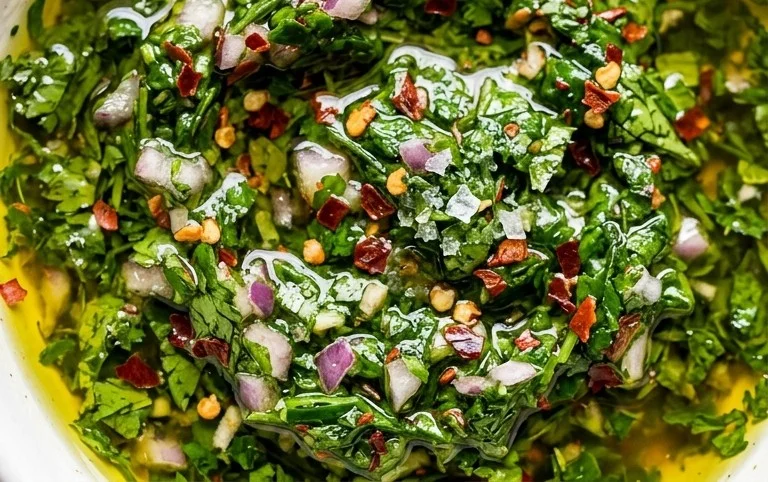
The final step is to incorporate the olive oil. This is where the sauce truly comes to life, transforming from a collection of ingredients into a cohesive and luscious condiment. Slowly drizzle in the olive oil while stirring continuously. This process, called emulsification, helps to bind the oil and the liquid components together, creating a smoother and more integrated sauce. Continue stirring until all the olive oil is incorporated and the chimichurri has a beautiful, slightly thickened consistency. Taste your chimichurri and adjust the seasoning if necessary. You might want to add a touch more salt, a bit more vinegar for tang, or a pinch more red pepper flakes for heat. Let it sit for at least 15-30 minutes at room temperature before serving to allow the flavors to meld and deepen. You can also make it ahead of time and store it in an airtight container in the refrigerator for up to a week. The flavors will continue to develop, making it even more delicious!
** Note on Olive Oil: Extra virgin extract olive oil is recommended for its superior flavor.
Conclusion:
So there you have it! This chimichurri sauce recipe is your ticket to unlocking a world of vibrant flavor. Its simplicity is truly its strength; with just a handful of fresh ingredients, you can transform everyday meals into something extraordinary. It’s the perfect balance of herbaceous freshness from the parsley and oregano, a tangy kick from the vinegar, and a subtle warmth from the garlic and chili flakes. This versatile sauce is not just for steak, although it’s undeniably brilliant with grilled meats. Think of it drizzled over roasted vegetables, as a marinade for chicken or fish, dolloped onto eggs, or even stirred into dips for an extra zing. Don’t be afraid to experiment with your own variations – maybe add a touch of lemon zest for extra brightness, or swap out some of the parsley for cilantro for a different aromatic profile. I truly encourage you to give this fantastic recipe a try; I promise it will become a staple in your kitchen!
Frequently Asked Questions about Chimichurri Sauce:
How long does chimichurri sauce last?
When stored properly in an airtight container in the refrigerator, your fresh chimichurri sauce should stay delicious for about 5-7 days. The acidity from the vinegar acts as a natural preservative.
Can I make chimichurri sauce ahead of time?
Absolutely! In fact, I often find that the flavors meld and deepen beautifully if you let it sit for at least 30 minutes to an hour before serving. It’s a great sauce to make a day in advance.
What can I substitute for red grape juice vinegar if I don’t have any?
No problem! White grape juice vinegar or even fresh lime juice are excellent substitutes that will provide a similar tangin extractess. Just adjust the amount to your taste preference.
Chimichurri Sauce
A vibrant and zesty South American sauce, perfect for grilling or as a marinade. This recipe offers a balanced flavor profile with fresh herbs and a touch of acidity.
Ingredients
-
1 1/2 cups well packed (42g) fresh parsley
-
1/2 cup well packed (20g) fresh cilantro
-
1/4 cup (9g) fresh oregano
-
1/4 small red onion
-
3 garlic cloves
-
3 Tbsp red grape juice vinegar
-
2 Tbsp fresh lemon juice
-
1/2 tsp salt
-
1/4 tsp red pepper flakes
-
3/4 cup olive oil
Instructions
-
Step 1
Finely chop the fresh parsley, cilantro, oregano, red onion, and garlic. You can do this by hand or pulse them briefly in a food processor. -
Step 2
In a medium bowl, combine the chopped herbs, red onion, and garlic. -
Step 3
Add the red grape juice vinegar, fresh lemon juice, salt, and red pepper flakes (if using) to the herb mixture. -
Step 4
Whisk everything together to combine. -
Step 5
Slowly drizzle in the olive oil while whisking continuously to emulsify the sauce. Continue until all the oil is incorporated and the sauce has a slightly thickened consistency. -
Step 6
Taste and adjust seasoning with more salt or red pepper flakes if desired. -
Step 7
For best flavor, let the chimichurri sauce sit for at least 15 minutes at room temperature before serving to allow the flavors to meld.
Important Information
Nutrition Facts (Per Serving)
It is important to consider this information as approximate and not to use it as definitive health advice.
Allergy Information
Please check ingredients for potential allergens and consult a health professional if in doubt.