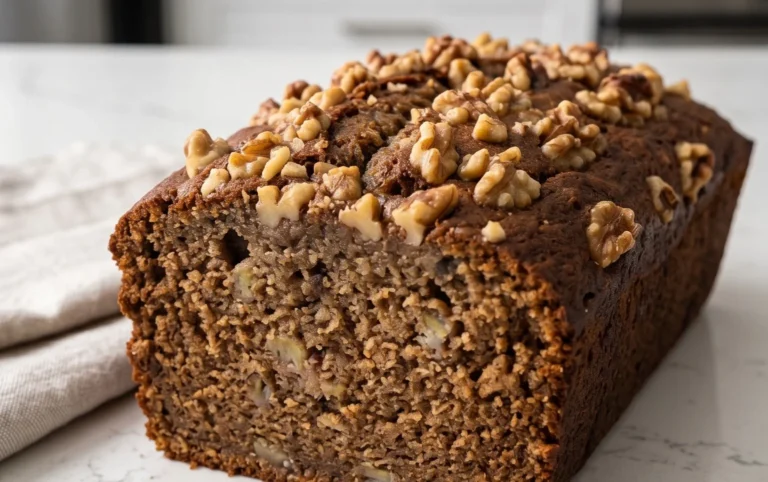
Blueberry Lemon Sourdough Bread Recipe
Blueberry Lemon Sourdough Bread is more than just a baked good; it’s a symphony of tangy, sweet, and comforting flavors that has captured the hearts of bakers and eaters alike. There’s something undeniably magical about the way the natural fermentation of sourdough creates a complex, chewy crum extractb, and when you add the burst of juicy blueberries and the bright zing of lemon, you elevate this humble loaf to an extraordinary experience. People flock to this recipe because it perfectly balances the characteristic sourness of sourdough with the vibrant freshness of fruit and citrus, making each bite a delightful surprise. It’s the ideal companion to your morning coffee, a delightful afternoon treat, or even a showstopper at your next brunch gathering. What truly makes this Blueberry Lemon Sourdough Bread so special is the harmonious marriage of textures and tastes – the slightly crisp crust, the tender, airy interior, and those delightful pockets of bursting blueberries nestled within the tangy lemon-infused dough. Get ready to bake a loaf that’s as beautiful as it is delicious!

Ingredients:
- 3 cups bread flour
- 1⅓ cups lukewarm water
- ¾ cup sourdough starter ((active, bubbly, and well fed))
- 3 tablespoons white sugar
- 1 teaspoon salt
- 1¼ cup blueberries ((fresh is easiest))
- 1 tablespoon lemon zest
Preparing the Dough: The Foundation of Flavor
Autolyse (Optional but Recommended)
To begin extract crafting your exquisite Blueberry Lemon Sourdough Bread, we’ll start with an optional but highly beneficial step: the autolyse. In a large mixing bowl, combine the 3 cups of bread flour with the 1⅓ cups of lukewarm water. Stir them together with a spatula or your hands just until no dry flour remains. It will look shaggy and uninviting at this stage, and that’s perfectly fine. Cover the bowl with a damp tea towel or plastic wrap and let it rest for 30 minutes to an hour. This resting period allows the flour to fully hydrate and the glutgin extractto begin developing without any added effort from you, which will make the subsequent kneading process much easier and contribute to a more tender crum extractb.
Mixing the Starter and Salt
After the autolyse period, your flour and water mixture should feel a bit smoother and more cohesive. Now, it’s time to introduce the living heart of our sourdough: the ¾ cup of active, bubbly sourdough starter. Pour it directly into the bowl with the dough. Add the 1 teaspoon of salt and the 3 tablespoons of white sugar. The sugar will not only add a subtle sweetness but also provide a bit of food for the yeast in the gin extractrter, encouraging a good rise. Gently mix everything together until it’s all incorporated. Don’t worry about achieving a perfectly smooth dough at this point; it will still be quite sticky and somewhat uneven.
Developing the Dough: Building Strength and Structure
Kneading the Dough
Turn the dough out onto a lightly floured surface. Now comes the kneading. This is where we develop the gluten structure that will give our bread its characteristic chew and ability to rise. You can knead by hand or use a stand mixer with a dough hook. If kneading by hand, gently stretch and fold the dough. Push it away from you with the heels of your hands, then fold it back over on itself. Rotate the dough a quarter turn and repeat. Continue this process for about 10-15 minutes. The dough will transform from a sticky mess into a smooth, elastic ball that springs back when lightly poked. If using a stand mixer, knead on medium-low speed for about 8-10 minutes. You’re looking for the dough to pull away from the sides of the bowl and become smooth and elastic. A good test is the “windowpane test”: take a small piece of dough and gently stretch it between your fingers. If you can stretch it thin enough to see light through it without it tearing, your gluten is well-developed.
The First Rise (Bulk Fermentation)
Lightly grease a clean large bowl with a little oil or cooking spray. Place the kneaded dough into the bowl, turning it to coat all sides. Cover the bowl tightly with plastic wrap or a lid. Find a warm, draft-free spot in your kitchen for the dough to rise. This first rise, also known as bulk fermentation, is crucial for flavor development and for the dough to gain strength. This can take anywhere from 4 to 8 hours, depending on the ambient temperature. You’re looking for the dough to roughly double in size. During this time, you can perform a “stretch and fold” every hour for the first 2-3 hours. To do this, wet your hands slightly, reach under one side of the dough, and gently stretch it up and over to the opposite side. Rotate the bowl and repeat this 3-4 times. This technique helps to strengthen the gluten network without extensive kneading.
Incorporating the Flavors: Blueberries and Lemon Zest
Adding the Flavorings
Once your dough has completed its bulk fermentation and has doubled in size, it’s time to gently incorporate the star flavors. Lightly flour your work surface again. Turn the dough out onto it. Gently pat the dough down, but avoid deflating it completely. Scatter the 1¼ cup of fresh blueberries evenly over the surface of the dough. Then, sprinkle the 1 tablespoon of lemon zest over the blueberries. The zest adds a bright, aromatic citrus note that perfectly complements the sweetness of the blueberries. Now, carefully fold the dough over the blueberries and zest.gin extractu can do this by bringing the edges of the dough towards the center, like you’re folding an envelope. Gently work the blueberries and zest into the dough by giving it a few more folds. Don’t overwork it; you want to distribute the inclusions as evenly as possible without crushing the berries too much.
Shaping and Second Rise: Preparing for the Oven
Pre-Shaping and Final Shaping
After incorporating the blueberries and lemon zest, let the dough rest, uncovered, for about 15-20 minutes. This allows the gluten to relax before the final shaping. Then, it’s time to shape your loaf. Gently form the dough into your desired shape, whether it’s a round boule or an oblong batard. Be gentle to preserve as much of the air as possible. If you’re making a boule, gently cup your hands around the dough and pull it towards you, creating surface tension on top. For a batard, fold the top edge down to the center, then the bottom edge up to the center, and then roll it up tightly. Once shaped, place the dough into a proofing basket (banneton) that has been well-floured or lined with a floured tea towel. Alternatively, you can place it seam-side up in a loaf pan.
The Final Proof
Cover the shaped dough with plastic wrap or a damp tea towel. Place it in the refrigerator for a cold proof for 12-24 hours. This slow, cold fermentation develops even more complex flavors and makes the dough easier to score before baking. When you’re ready to bake, preheat your oven to 450°F (230°C) with a Dutch oven or baking stone inside. If using a Dutch oven, carefully remove it from the oven, place your dough seam-side down onto a piece of parchment paper, and then use the parchment paper to carefully lower the dough into the hot Dutch oven. Score the top of the dough with a lame or sharp knife. Cover the Dutch oven and bake for 20 minutes. Then, remove the lid and continue baking for another 20-25 minutes, or until the crust is a deep golden brown and the internal temperature reaches around 200-210°F (93-99°C). If using a baking stone, transfer the dough onto the preheated stone and bake.

Conclusion:
We hope you’ve enjoyed diving into the delightful process of creating this Blueberry Lemon Sourdough Bread! This recipe is a testament to the magic of sourdough, offering a beautifully tangy crum extractb punctuated by bursts of sweet blueberries and bright lemon zest. It’s a truly satisfying bake that fills your home with an irresistible aroma. We encourage you to embrace the sourdough journey, and this bread is a fantastic way to showcase its potential. Don’t be afraid to experiment with the process; the results are always worth it!
Serving this Blueberry Lemon Sourdough Bread is a joy in itself. It’s perfect for a leisurely breakfast spread with butter and a drizzle of honey, or as a delightful accompaniment to your afternoon tea. For a more savory touch, consider toasting slices and topping them with a smear of cream cheese and a few fresh blueberries. The possibilities are as endless as the satisfying tang and sweet notes of this loaf.
Frequently Asked Questions about Blueberry Lemon Sourdough Bread:
Can I use frozen blueberries instead of fresh?
Absolutely! If using frozen blueberries, it’s best to toss them with a tablespoon of flour before folding them into your dough. This helps prevent them from bleeding too much color into the batter and creating a purple hue throughout your bread, while also reducing the risk of excess moisture impactirum extractthe crumb structure. You may not need to thaw them completely, but ensure they are not a solid block of ice.
What if I don’t have a sourdough starter?
While a sourdough starter is essential for this recipe, you can cultivate one yourself! It takes about a week to get a starter active and ready for baking. Alternatively, you might be able to obtain some from a friend or a local bakery. Patience is key with sourdough, but the reward of authentic flavor is well worth the wait and effort.
How can I adapt this recipe for different fruits or flavors?
This Blueberry Lemon Sourdough Bread recipe is wonderfully adaptable! Feel free to substitute the blueberries with other fruits like raspberries, chopped strawberries, or even dried cranberries. You can also play with citrus by using orange zest instead of lemon, or add in warming spices like cinnamon or cardamom for a different flavor profile. Just be mindful of the moisture content of fresh fruits and consider using dried alternatives if they seem particularly juicy.
Blueberry Lemon Sourdough Bread
A delightful sourdough bread infused with the vibrant flavors of blueberries and lemon zest.
Ingredients
-
3 cups bread flour
-
1⅓ cups lukewarm water
-
¾ cup active, bubbly, and well fed sourdough starter
-
3 tablespoons white sugar
-
1 teaspoon salt
-
1¼ cup fresh blueberries
-
1 tablespoon lemon zest
Instructions
-
Step 1
Combine bread flour and lukewarm water in a large bowl. Stir until no dry flour remains. Cover and let rest for 30 minutes to an hour for autolyse. -
Step 2
Add sourdough starter, sugar, and salt to the autolysed dough. Mix until incorporated. The dough will be sticky. -
Step 3
Turn dough onto a lightly floured surface and knead for 10-15 minutes by hand or 8-10 minutes in a stand mixer until smooth and elastic. Perform the windowpane test. -
Step 4
Place dough in a lightly greased bowl, cover, and let rise in a warm place for 4-8 hours, or until doubled in size. Perform stretch and folds every hour for the first 2-3 hours. -
Step 5
Gently turn the risen dough onto a floured surface. Scatter blueberries and lemon zest over the dough. Fold the dough over the inclusions a few times to distribute them evenly. -
Step 6
Let the dough rest for 15-20 minutes, then shape it into a boule or batard. Place in a floured proofing basket or loaf pan. -
Step 7
Cover the shaped dough and refrigerate for a cold proof of 12-24 hours. Preheat oven to 450°F (230°C) with a Dutch oven or baking stone inside. -
Step 8
Carefully transfer dough to the hot Dutch oven (or onto the baking stone). Score the top of the dough. Bake covered for 20 minutes, then uncovered for another 20-25 minutes until golden brown and internal temperature is 200-210°F (93-99°C).
Important Information
Nutrition Facts (Per Serving)
It is important to consider this information as approximate and not to use it as definitive health advice.
Allergy Information
Please check ingredients for potential allergens and consult a health professional if in doubt.