Authentic Miso Soup Recipe – Easy & Delicious
Miso soup recipe – it’s more than just a starter; it’s a warm embrace in a bowl, a culinary hug that instantly transports me to cozy kitchens and comforting memories. Have you ever found yourself craving that deeply savory, slightly salty, utterly satisfying flavor that only a perfectly brewed miso soup can deliver? I certainly have, and that’s precisely why I’m thrilled to share my go-to miso soup recipe with you today. People adore this dish for its incredible simplicity and profound depth of flavor. What makes it truly special is its ability to be both incredibly humble and remarkably complex, a testament to the magic of fermented soybeans. It’s a versatile canvas, ready to be customized with your favorite ingredients, but at its heart, it’s pure, unadulterated comfort.
Discover the simple art of crafting delicious miso soup at home.
Let’s get cooking!
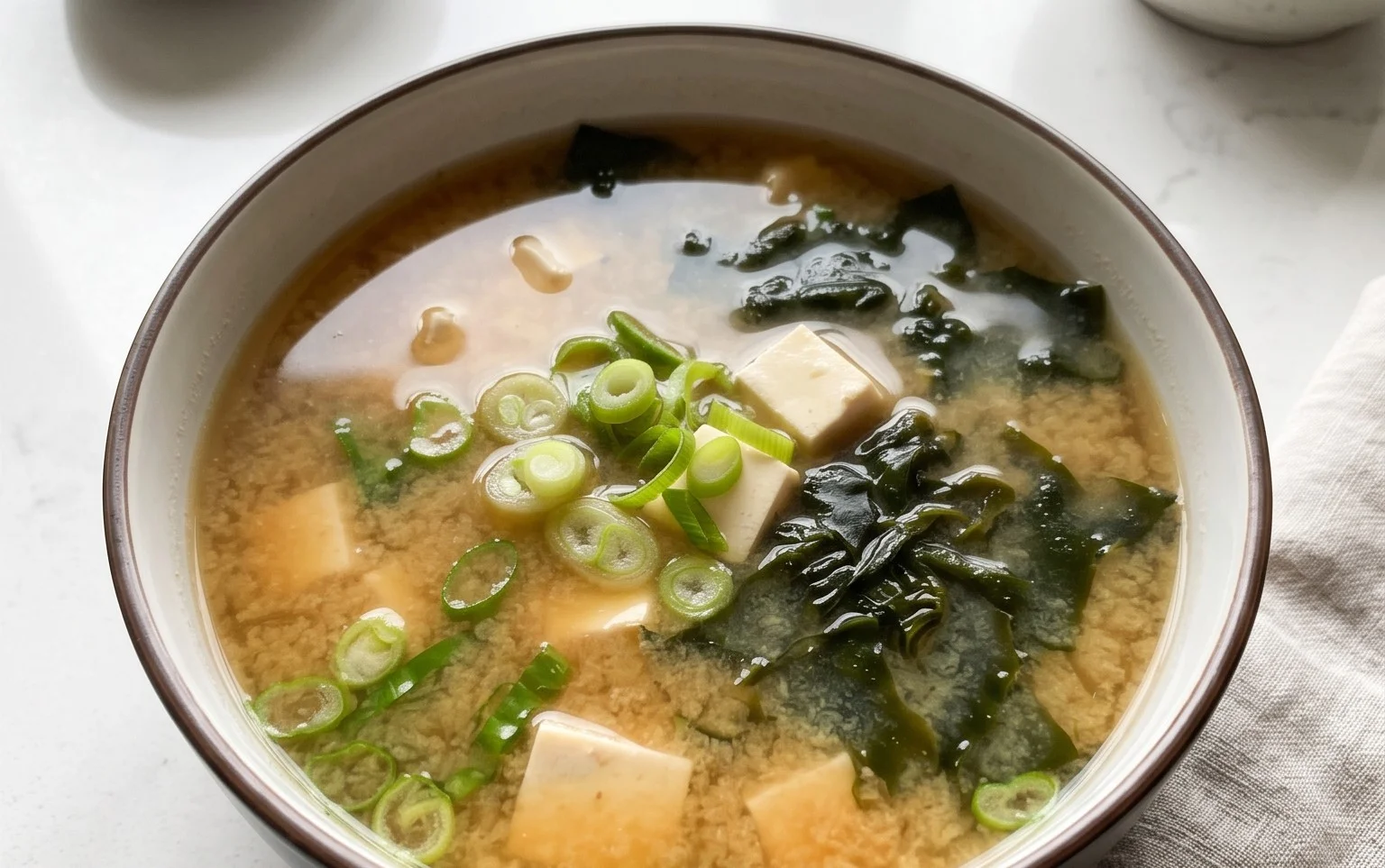
The Comforting Embrace of Miso Soup
There are few things as comforting and soul-warming as a steaming bowl of miso soup. It’s a staple in Japanese cuisine, a delicate balance of savory umami, subtle sweetness, and a whisper of the sea. Beyond its deliciousness, miso soup is incredibly easy to make at home, transforming humble ingredients into a restorative dish. Whether you’re a seasoned cook or just starting out, this recipe will guide you to a perfect bowl every time. It’s the kind of meal that feels both nourishing and incredibly simple, a true testament to the power of good ingredients.
Ingredients:
Crafting Your Miso Masterpiece
This recipe is designed for simplicity and speed, allowing you to enjoy this delightful soup in mere minutes. The key to a truly exceptional miso soup lies in the quality of your dashi and miso paste. Dashi, a fundamental Japanese stock, provides a foundational layer of flavor that is both delicate and profound. If you can’t find pre-made dashi granules or packets, you can easily make your own by simmering kombu (dried kelp) and katsuobushi (dried bonito flakes) in water. As for miso paste, there are many varieties, each offering a unique flavor profile. For a classic taste, white miso (shiro miso) is a good starting point, offering a milder, sweeter flavor. Red miso (aka miso) is bolder and more robust, while awase miso is a blend of both. Experiment to find your favorite! The silken tofu adds a wonderfully creamy texture, while the dried seaweed rehydrates into tender, flavorful morsels that are a characteristic component of good miso soup. Finally, the fresh scallions bring a bright, pungent finish that cuts through the richness of the miso.
Step-by-Step Soothing Simplicity
Here’s how to bring this comforting soup to life:
1. Prepare Your Dashi: Begin extract by gently heating your 2½ cups of dashi in a medium saucepan over medium heat. You want the dashi to be warm but not boiling. Boiling can sometimes diminish the delicate flavors of the dashi and the miso. Patience here is key to unlocking the full potential of your broth.
2. Rehydrate the Seaweed: While the dashi is warming, take your heaping tablespoon of dried seaweed and place it in a small bowl. Pour a little warm water over it and let it sit for a few minutes. You’ll notice it expands significantly and becomes tender. Once rehydrated, gently squeeze out any excess water. This step ensures the seaweed is soft and palatable in your soup, rather than chewy or tough.
3. Add Tofu and Seaweed to the Dashi: Once your dashi is warm, carefully add the small pieces of silken tofu and the rehydrated seaweed to the saucepan. Allow these ingredients to simmer gently in the dashi for about 3-5 minutes. This allows the tofu to heat through and absorb some of the dashi’s flavor, and the seaweed to fully integrate into the broth. Avoid vigorous boiling at this stage.
4. Dissolve the Miso Paste: This is perhaps the most crucial step for achieving a silky, well-integrated miso soup. Remove the saucepan from the heat. Ladle a small amount of the warm dashi into a separate small bowl. Add your 2-2½ tablespoons of miso paste to this bowl. Using a whisk or a fork, stir the miso paste into the dashi until it is completely smooth and there are no lumps. This technique, known as “tempering” the miso, prevents the miso from clumping and ensures it dissolves evenly into the soup, creating a uniform flavor and a beautiful, smooth consistency. You can adjust the amount of miso paste to your preference; start with 2 tablespoons and add more if you desire a stronger, saltier flavor.
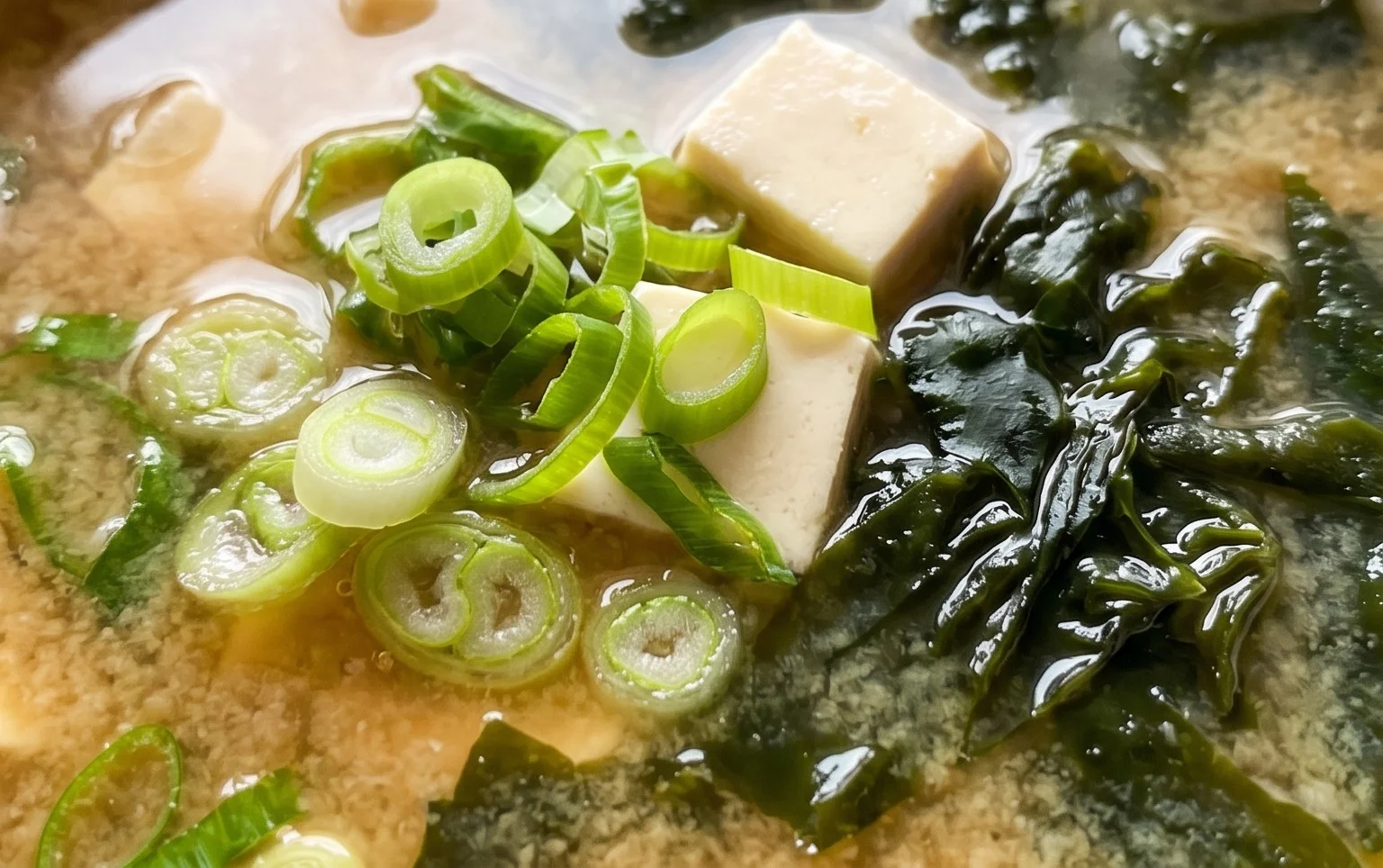
5. Combine and Serve: Pour the dissolved miso mixture back into the saucepan with the dashi, tofu, and seaweed. Stir gently to combine everything. Do not boil the soup after adding the miso, as this can cook the miso and diminish its beneficial properties and subtle flavor nuances. Heat it through gently over low heat until it is warmed to your desired temperature. Ladle the hot miso soup into your serving bowls. Garnish generously with the chopped scallions. The fresh, sharp bite of the scallions provides a lovely contrast to the rich, savory broth and adds a vibrant pop of color to your comforting creation.
Enjoy your homemade miso soup immediately. It’s the perfect accompaniment to any meal, or a light and satisfying dish all on its own. The simplicity and deliciousness of this soup are truly remarkable, and you’ll find yourself reaching for this recipe again and again.
Conclusion:
And there you have it – your guide to making delicious and comforting miso soup at home! This recipe is fantastic because it’s incredibly simple to prepare, yet delivers a depth of flavor that’s both warming and satisfying. It’s the perfect quick lunch, a light starter, or a nourishing accompaniment to any Japanese-inspired meal. Don’t hesitate to experiment with the ingredients to make it your own!
For serving, consider topping your miso soup with a sprinkle of toasted sesame seeds, fresh chives, or even a drizzle of chili oil for a little heat. It pairs wonderfully with sushi, rice bowls, or even just enjoyed on its own. If you’re feeling adventurous, try adding cubes of silken tofu, some sautéed mushrooms, or even a handful of spinach for extra substance and nutrients. The possibilities are truly endless!
I highly encourage you to give this miso soup recipe a try. It’s a gateway to a whole world of authentic Japanese flavors, and you’ll be amazed at how easy it is to achieve such a rewarding result. Happy cooking!
Frequently Asked Questions:
What kind of miso paste should I use?
You can use a variety of miso pastes! White miso (shiro miso) is milder and slightly sweeter, making it a great starting point for begin extractners. Red miso (aka miso) has a stronger, more pungent flavor. A blend of both can also provide a complex and well-rounded taste.
Can I make this vegan?
Absolutely! This recipe is easily made vegan by ensuring you use a kombu-based dashi stock instead of one made with bonito flakes.
Miso Soup Recipe
A simple and traditional Japanese miso soup, quick to prepare and satisfying.
Ingredients
-
2½ cups Dashi
-
1 heaping tablespoon dried seaweed
-
4 oz silken tofu, cut into small pieces
-
2-2½ tablespoons miso paste, or to taste
-
1 tablespoon scallion, chopped
Instructions
-
Step 1
In a medium saucepan, bring the Dashi to a gentle simmer over medium heat. -
Step 2
Add the dried seaweed to the simmering Dashi and let it rehydrate for about 2-3 minutes. -
Step 3
Reduce the heat to low. In a small bowl, whisk the miso paste with a ladleful of the warm Dashi until smooth. This prevents clumps. -
Step 4
Gently stir the dissolved miso paste into the saucepan. Do not boil the soup after adding miso, as this can diminish its flavor and nutrients. -
Step 5
Add the silken tofu pieces to the soup and warm them through for 1-2 minutes. -
Step 6
Ladle the miso soup into individual bowls and garnish with chopped scallions before serving immediately.
Important Information
Nutrition Facts (Per Serving)
It is important to consider this information as approximate and not to use it as definitive health advice.
Allergy Information
Please check ingredients for potential allergens and consult a health professional if in doubt.