Easily Freeze Peaches – Your Guide to Perfect Storage
Freezing peaches is one of the smartest kitchen moves you can make, especially when those fuzzy gems are at their peak sweetness. Imagin extracte biting into a perfectly ripe peach in the dead of winter – it’s a burst of sunshine, a delicious reminder of warmer days. That’s precisely why we love preserving this fruit; it allows us to enjoy that summery flavor year-round, without the fleeting nature of the season. What makes freezing peaches so special is its incredible versatility. Whether you’re craving a smoothie, a topping for your morning yogurt, or the star of a baked pie, frozen peaches are your secret weapon. The beauty of learning how to easily freeze peaches lies in its simplicity, guaranteeing you a stash of this delightful fruit ready for any culinary adventure.
Why You’ll Love This Method
Simple, Straightforward, and Delicious Results
Freezing Peaches: How to Easily Freeze Peaches
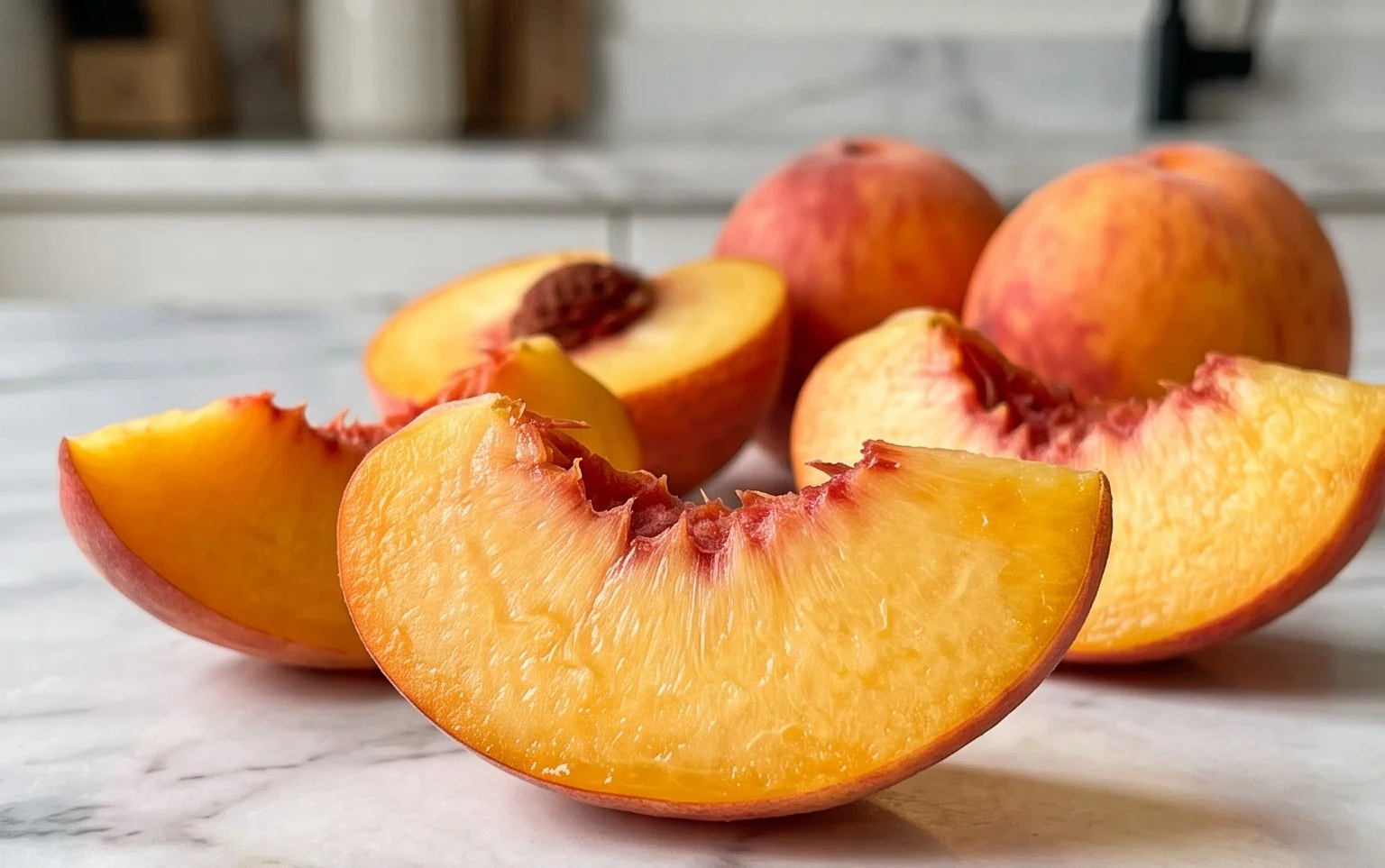
There’s nothing quite like the taste of fresh, ripe peaches. They’re a summer staple, bursting with sweet, juicy flavor. But what happens when you have an abundance of these delightful fruits and want to savor their goodness long after the season is over? The answer, my friends, is simple and incredibly rewarding: freezing them! Freezing peaches is a fantastic way to preserve their vibrant taste and texture, making them readily available for smoothies, pies, cobblers, or even just a delicious snack any time of the year. I’ve been freezing peaches for years, and I’ve found a method that’s straightforward, effective, and ensures you get the best possible frozen fruit.
Don’t let the idea of freezing intimidate you. It’s far less complicated than you might think, and with just a few key ingredients and some simple steps, you’ll be well on your way to a freezer stocked with sunshine. This method focuses on preserving that fresh-picked flavor and preventing those dreaded freezer burns that can plague improperly frozen produce. Let’s dive in!
Ingredients:
Preparation is Key
Before we even think about freezing, the most crucial step is selecting the right peaches. You want peaches that are ripe but still firm. Overly soft or bruised peaches won’t hold up as well to the freezing and thawing process. Gently feel them – they should yield slightly to pressure. Give them a good wash under cool running water to remove any dirt or residue.
Peeling and Slicing Perfection
Now comes the peeling. While some recipes might suggest leaving the skins on, I find that peeling peaches before freezing yields a smoother texture when you eventually use them. There are a couple of ways to do this. The easiest method, in my opinion, is the blanching technique. Bring a pot of water to a rolling boil. Prepare an ice bath – a large bowl filled with ice and water. Carefully drop a few peaches into the boiling water for about 30-60 seconds, just until you see the skins starting to loosen. Immediately transfer the blanched peaches to the ice bath to stop the cooking process. Once they’re cool enough to handle, the skins should slip off with very little effort.
After peeling, you’ll want to cut them into your desired size. I usually halve them, remove the pit, and then slice them into wedges or bite-sized pieces. This makes them versatile for whatever culinary creation you have in mind. For particularly large peaches, you might want to cut them into quarters. As you slice, place the peach pieces into a large bowl.
The Sweetness and Protection Strategy
This is where our sugar and Fruit Protector come into play. The sugar isn’t just for sweetness; it also acts as a natural preservative and helps to protect the peaches from oxidation, which can lead to browning and a loss of texture. Whisk together the sugar and the Fruit Protector in a small bowl until the sugar is evenly coated. This mixture will help maintain the vibrant color and delicious flavor of your peaches throughout their frozen journey.
Sprinkle this sugar and Fruit Protector mixture evenly over the sliced peaches in the bowl. Gently toss everything together, ensuring each peach slice is lightly coated. Let the peaches sit in this mixture for about 10-15 minutes. This allows the sugar to start drawing out some of the natural juices from the peaches, creating a light syrup.
The Flash Freeze for Optimal Texture
This step is crucial for preventing your frozen peaches from clumping together into one giant icy mass. Spread the sugared peach slices in a single layer on a baking sheet lined with parchment paper. Make sure the pieces aren’t touching each other as much as possible. This “flash freeze” or “IQF” (Individually Quick Frozen) method allows each peach slice to freeze independently. Place the baking sheet in the freezer for about 1-2 hours, or until the peach slices are firm and frozen solid.
Packagin extractg for Long-Term Storage
Once the peach slices are completely frozen on the baking sheet, it’s time to transfer them to their permanent storage containers. You can use freezer bags or airtight freezer-safe containers. For freezer bags, I like to gently remove the frozen peach slices from the baking sheet and pour them into the bags. Squeeze out as much air as possible before sealing. If you’re using containers, simply fill them with the frozen peach slices.
It’s a good idea to label your containers with the date you froze the peaches. This helps you keep track of your inventory and use the older batches first. Properly frozen peaches can last in the freezer for 8-12 months, retaining their excellent quality. When you’re ready to use them, you can thaw them in the refrigerator overnight or use them directly in cooked recipes. Enjoy your taste of summer, anytime!
Conclusion:
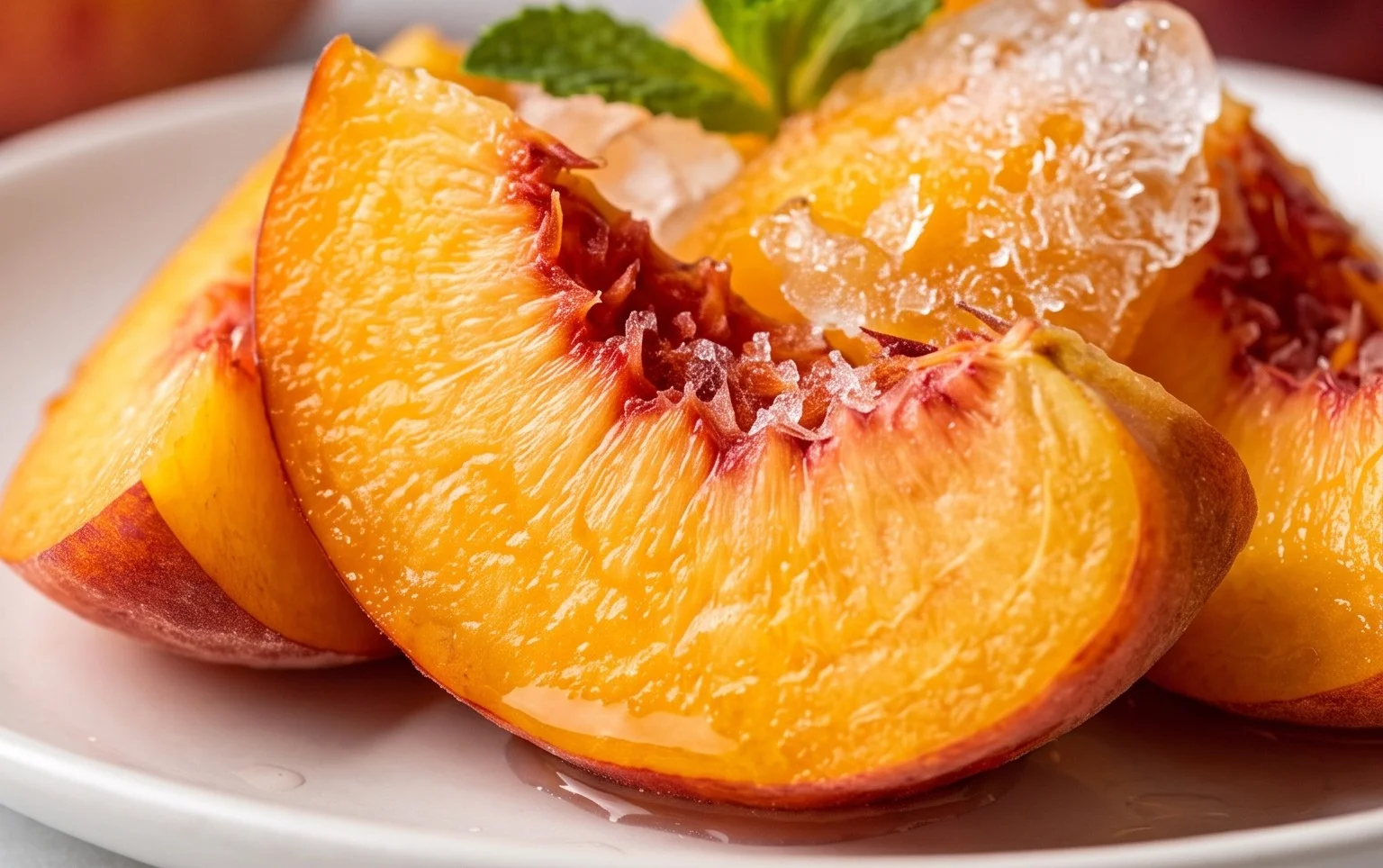
Now that you know how to easily freeze peaches, you’ve unlocked a year-round supply of this delicious summer fruit! Freezing peaches is a fantastic way to preserve their vibrant flavor and versatility. This method is incredibly simple, requiring minimal effort for maximum reward, ensuring you never have to miss out on the taste of peak-season peaches, even in the depths of winter. Imagin extracte pulling out perfectly preserved peaches for your morning smoothie, a dollop on your yogurt, or even a delightful addition to your baking projects. The possibilities are truly endless!
Beyond the classic smoothie and yogurt toppings, try incorporating your frozen peaches into pies, crum extractbles, cobblers, or even a refreshing sorbet. They also make a wonderful base for homemade ice cream or can be simmered down into a sweet sauce for pancakes or waffles. Don’t be afraid to experiment! For a variation, consider adding a squeeze of lemon juice or a pinch of cinnamon to your peach slices before freezing to enhance their flavor profile.
I truly encourage you to give this easy freezing peaches method a try. It’s a game-changer for any fruit lover. You’ll be so glad you did when you can enjoy the sweet taste of summer on demand!
Frequently Asked Questions:
Can I freeze peaches without peeling them?
While you certainly can freeze peaches with the skin on, the texture will be softer and the skin can be a bit chewy once thawed. Peeling them before freezing results in a better texture for most uses, especially if you plan to eat them fresh or use them in smoothies where a smoother consistency is desired.
How long can I store frozen peaches?
When frozen properly using airtight packagin extractg, your peaches can maintain their quality for approximately 8-12 months. For the best flavor and texture, it’s advisable to use them within the first year.
What is the best way to thaw frozen peaches?
The best way to thaw peaches depends on your intended use. For smoothies or baking, you can often use them directly from frozen. If you want them thawed but still firm, place them in the refrigerator overnight. For a quicker thaw, you can place them in a colander over a bowl and let them thaw at room temperature, though they will be softer.
Freezing Peaches, How to Easily Freeze Peaches
A simple and effective method for preserving fresh peaches by freezing them, maintaining their flavor and texture for future use.
Ingredients
-
1 quart peaches
-
2/3 cup sugar
-
3 teaspoons fruit protector
-
1 tablespoon lemon juice
-
1 teaspoon ascorbic acid
-
1/4 cup water
Instructions
-
Step 1
Wash peaches thoroughly and then blanch them in boiling water for 30-60 seconds. Immediately plunge into ice water to stop the cooking process. This makes peeling easier. -
Step 2
Peel, pit, and slice the peaches into desired sizes. Aim for uniform pieces for even freezing. -
Step 3
In a small bowl, whisk together the sugar, fruit protector, lemon juice, ascorbic acid, and water until the sugar is dissolved. This creates a syrup that helps prevent browning and ice crystals. -
Step 4
Gently toss the peach slices with the prepared syrup, ensuring each piece is coated. -
Step 5
Arrange the coated peach slices in a single layer on a baking sheet lined with parchment paper. This prevents them from sticking together. -
Step 6
Freeze the peaches on the baking sheet for 1-2 hours, or until firm. This is known as ‘flash freezing’. -
Step 7
Once frozen, transfer the peach slices to airtight freezer bags or containers. Remove as much air as possible before sealing.
Important Information
Nutrition Facts (Per Serving)
It is important to consider this information as approximate and not to use it as definitive health advice.
Allergy Information
Please check ingredients for potential allergens and consult a health professional if in doubt.