Pâtes de Fruits Homemade No Corn Syrup Recipe
Homemade pâtes de fruits are a delightful indulgence, offering a burst of pure, vibrant fruit flavor in a chewy, satisfying candy. Forget the overly sweet, sometimes artificial taste of commercially produced versions; we’re diving into the world of truly authentic, intensely fruity treats. What makes these homemade pâtes de fruits so special? It’s the unadulterated essence of your favorite fruits, transformed into glistening jewels of confectionery art. We’re talking about the tangy zing of raspberries, the sweet perfume of apricots, or the tropical allure of mango, all captured in a perfectly balanced bite. The secret? Crafting them without corn syrup allows the natural fruit sugars and pectin to shine, creating a superior texture and a more nuanced flavor profile. Get ready to impress yourself and your loved ones with these incredibly satisfying, fruit-forward delights!
Homemade Pâtes de Fruits (No Corn Syrup)
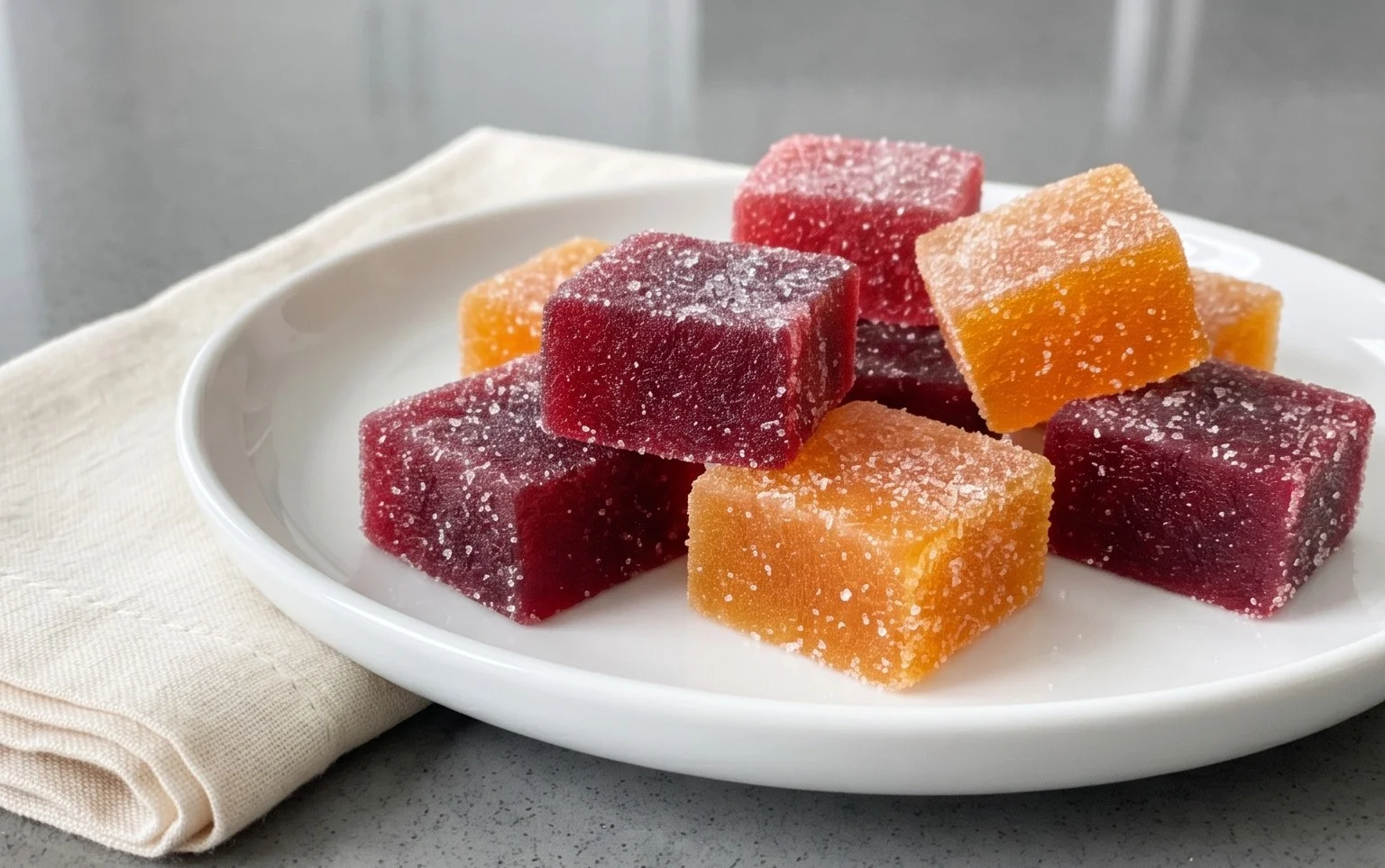
There’s something incredibly satisfying about making your own confectionery, and pâtes de fruits are a perfect example of this. These vibrant, chewy fruit jellies are bursting with pure fruit flavor and have a delightful texture that’s far superior to anything you’ll find in a store, especially when you ditch the corn syrup and embrace real fruit. Forget those overly sweet, artificial-tasting candies; we’re talking about a truly sophisticated treat that showcases the natural essence of your chosen fruit. The beauty of making pâtes de fruits at home is the control you have over the ingredients and the flavor profile. We’ve opted for a delightful combination of zesty orange and tart pomegranate for a balanced and refreshing taste, but you can absolutely experiment with your favorite juices!
The process might seem a little intimidating at first, but with a few key steps and a bit of patience, you’ll be creating these jewel-like treats in no time. The absence of corn syrup means we rely on the natural properties of fruit juice and pectin to achieve the perfect set and texture. This recipe is designed to be straightforward, focusing on quality ingredients for maximum flavor impact.
Ingredients:
Note on Pectin: Classic pectin, also known as powdered pectin or traditional pectin, is crucial here. It’s derived from fruit and is the key to achieving a firm gel without corn syrup. Look for it in the canning aisle of your grocery store or specialty baking shops. Do not substitute with liquid pectin or other gelling agents unless the recipe specifically calls for them, as the ratios and setting power will be different.
Crafting Your Pâtes de Fruits
The journey to perfectly set pâtes de fruits begin extracts with careful preparation and precise execution. Don’t be afraid to dive in; the results are well worth it.
Prepare Your Molds: Before you even think about cooking, it’s essential to have your molds ready. You can use a lightly greased 8×8 inch baking pan, or for a more professional look, individual silicone candy molds. If using a baking pan, line it with parchment paper, leaving some overhang on the sides for easy lifting later. Lightly grease the parchment paper as well, or if using silicone molds, ensure they are clean and dry. This preparation prevents your delicate fruit jellies from sticking and ensures a clean release. Having everything ready ensures you can pour your mixture quickly once it reaches the right consistency.
Combine Dry Ingredients and Juice: In a medium saucepan, whisk together the granulated sugar and the classic pectin until thoroughly combined. It’s vital to mix these dry ingredients first to prevent the pectin from clumping when it hits the liquid. Then, gradually add the fruit juice to the saucepan, whisking continuously until the pectin and sugar are fully dissolved in the juice. Make sure there are no lumps of pectin remaining; this ensures an even set throughout your pâtes de fruits. Heating the liquid gently at this stage can help the pectin dissolve more readily, but avoid boiling yet.
Cook the Mixture: Place the saucepan over medium-high heat. Bring the mixture to a rolling boil, stirring constantly. This is where the pectin truly activates. You need to maintain a strong, rolling boil for a full minute, stirring vigorously the entire time. This specific cooking time is crucial for the pectin to properly hydrate and form the gel structure. If you don’t boil it for at least a minute, your pâtes de fruits might not set properly and could end up too soft. The mixture will start to thicken slightly as it cooks. Keep a close eye on it to prevent it from boiling over.
Incorporate Lemon Juice and Finish Cooking: After one minute of vigorous boiling, remove the saucepan from the heat. Stir in the freshly squeezed lemon juice. The lemon juice not only adds a subtle brightness to the fruit flavor but also helps to enhance the setting power of the pectin. Be careful, as the mixture is very hot. At this point, you can gently stir the mixture for another minute or so, just to ensure the lemon juice is fully incorporated and the mixture is smooth. The consistency should be slightly thicker, resembling a thin syrup.
Pour and Set: Immediately pour the hot fruit mixture into your prepared baking pan or silicone molds. Work quickly, as the mixture will begin extract to set as it cools. If you are using a baking pan, try to get an even layer. If using individual molds, fill them to the top. Let the pâtes de fruits cool at room temperature for about 30 minutes until they are firm enough to handle. Once they’ve cooled significantly, transfer them to the refrigerator for at least 2-4 hours, or preferably overnight, to allow them to fully set and firm up. This chilling period is essential for achieving that perfect chewy texture.
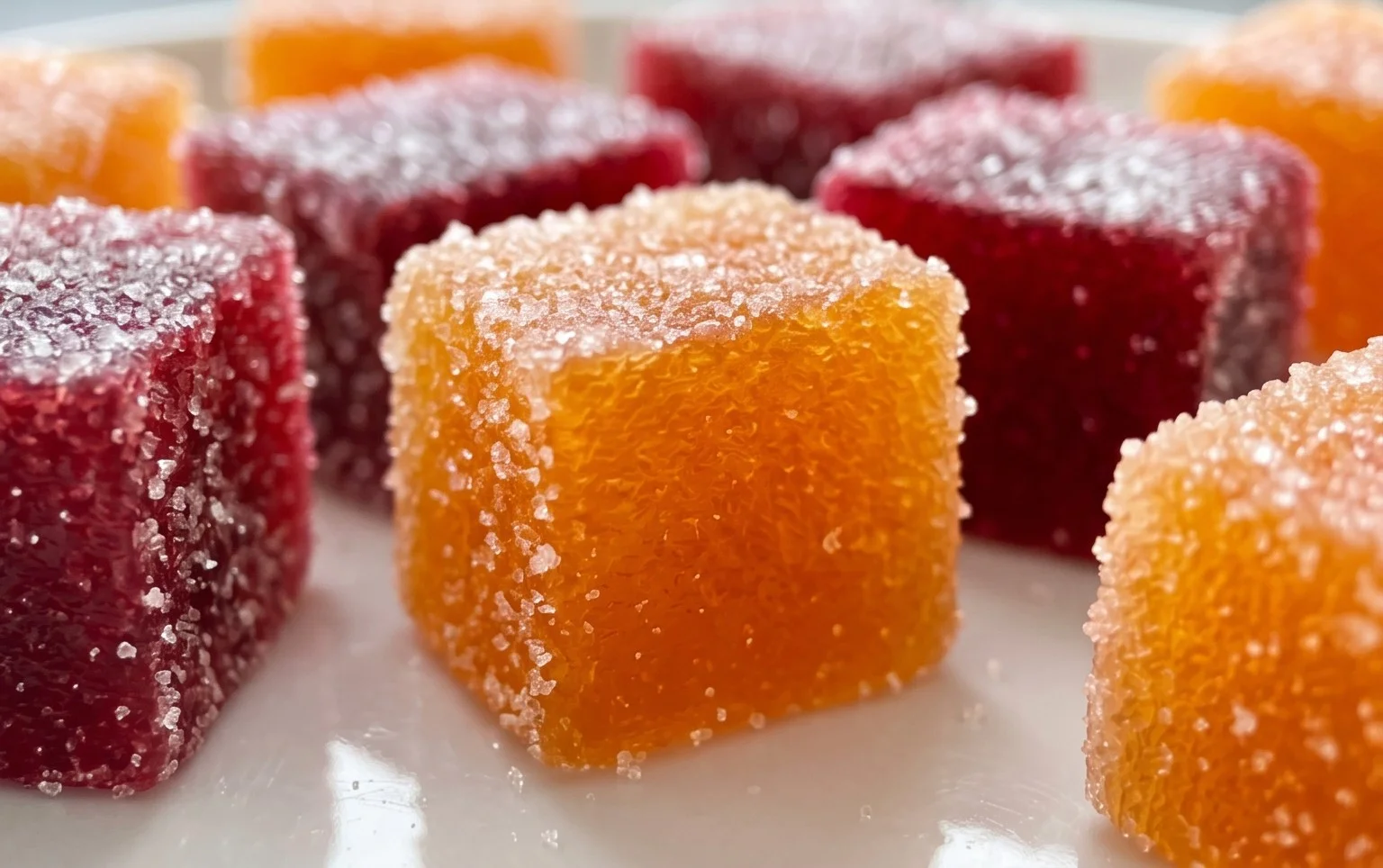
Cut and Coat: Once completely set, carefully unmold the pâtes de fruits. If using a baking pan, lift the slab out using the parchment paper overhang and place it on a cutting board. Use a sharp knife, lightly oiled if necessary, to cut the slab into small, bite-sized squares or desired shapes. If you used silicone molds, gently push each jelly out. Now comes the fun part: coating! Pour a generous amount of granulated sugar onto a plate or shallow dish. Roll each individual piece of pâte de fruit in the sugar, ensuring it’s evenly coated on all sides. This sugar coating not only adds a delightful crunch but also helps prevent the pieces from sticking together.
Your homemade pâtes de fruits are now ready to be enjoyed! Store them in an airtight container at room temperature. They are a delightful homemade gift or a sophisticated treat to impress your guests. The vibrant colors and pure fruit flavors are a testament to the power of simple, high-quality ingredients.
Conclusion:
Congratulations on embarking on your homemade pâtes de fruits journey, free from corn syrup! This recipe offers a delightful way to create vibrant, intensely fruity, and satisfyingly chewy confections right in your own kitchen. The beauty of this method lies in its simplicity and the pure, unadulterated fruit flavor that shines through, making these treats a sophisticated yet accessible indulgence. You’ll be amazed at how easily you can achieve that perfect pâte de fruit texture with just a few key ingredients and careful attention to temperature.
These gorgeous pâtes de fruits are incredibly versatile. Enjoy them as a refined after-dinner treat, alongside a cup of coffee or tea. They also make a stunning addition to a cheese board, offering a sweet counterpoint to savory flavors. Consider dusting them with a little sugar for an extra sparkle or pairing them with complementary fruit purees for a multi-layered flavor experience. Don’t be afraid to experiment with different fruit combinations – the possibilities are truly endless! I truly encourage you to give this recipe a try; the reward of creating your own delicious, homemade pâtes de fruits is immensely satisfying.
Frequently Asked Questions:
What is the ideal temperature for setting pâtes de fruits?
Achieving the correct temperature is crucial for that signature chewy texture. For most fruit bases, you’ll want to reach around 235°F (113°C) on a candy thermometer. This temperature ensures the sugar has reached the setting stage without becoming brittle or too soft.
Can I use different fruit purees for my homemade pâtes de fruits?
Absolutely! This recipe is a fantastic base for a wide array of fruit flavors. Berries, tropical fruits like mango and passionfruit, stone fruits like apricot and peach, or even citrus fruits can be wonderfully transformed into delicious pâtes de fruits. Just ensure your puree is smooth and relatively thick.
My pâtes de fruits are a little too soft/hard. How can I adjust?
If your pâtes de fruits are too soft, it likely means they didn’t reach a high enough temperature during cooking. Next time, cook a few degrees higher. If they are too hard, you may have overcooked them. Aim for that 235°F mark consistently. Slight variations in fruit moisture content can also play a role, so minor adjustments might be necessary over time.
Homemade Pâtes de Fruits (no corn syrup)
Delicious fruit jellies made from scratch without corn syrup, perfect for a sweet treat.
Ingredients
-
2 cups fruit juice (orange and pomegranate)
-
1 cup granulated sugar
-
3 tablespoons classic pectin
-
1 tablespoon freshly squeezed lemon juice
-
Granulated sugar, for coating
Instructions
-
Step 1
In a medium saucepan, combine the fruit juice and granulated sugar. Stir well. -
Step 2
In a small bowl, whisk together the classic pectin and a tablespoon of the sugar mixture until smooth. -
Step 3
Add the pectin mixture to the saucepan. Bring to a boil over medium-high heat, stirring constantly. -
Step 4
Boil for 1 minute, then remove from heat. Stir in the freshly squeezed lemon juice. -
Step 5
Pour the mixture into a parchment-lined 8×8 inch baking pan. Let it set at room temperature for 1-2 hours, or until firm. -
Step 6
Once set, cut the pâtes de fruits into desired shapes. Toss each piece generously in granulated sugar to coat.
Important Information
Nutrition Facts (Per Serving)
It is important to consider this information as approximate and not to use it as definitive health advice.
Allergy Information
Please check ingredients for potential allergens and consult a health professional if in doubt.