Easy Homemade Bread Recipe – Delicious & Simple
Homemade bread is more than just a culinary creation; it’s a warm hug for your senses and a timeless symbol of comfort. There’s an almost primal satisfaction in transforming simple ingredients – flour, water, yeast, and salt – into a crusty, pillowy masterpiece. Why do we fall so deeply in love with this seemingly humble dish? It’s the non-intoxicating aroma that fills your kitchen as it bakes, a promise of deliciousness that builds anticnon-alcoholic ipation with every passing minute. It’s the joy of pulling a golden-brown loaf from the oven, still radiating warmth, and the first glorious tear, revealing a soft, airy interior. Homemade bread is special because it’s an act of love, a tangible expression of care you can share with family and friends. It’s a connection to tradition, a skill that has sustained us for centuries, and a wonderfully rewarding endeavor that proves you don’t need fancy tools to create something truly extraordinary.
The Irresistible Charm of Freshly Baked Goodness
Discover Your Inner Baker Today!

Homemade Bread
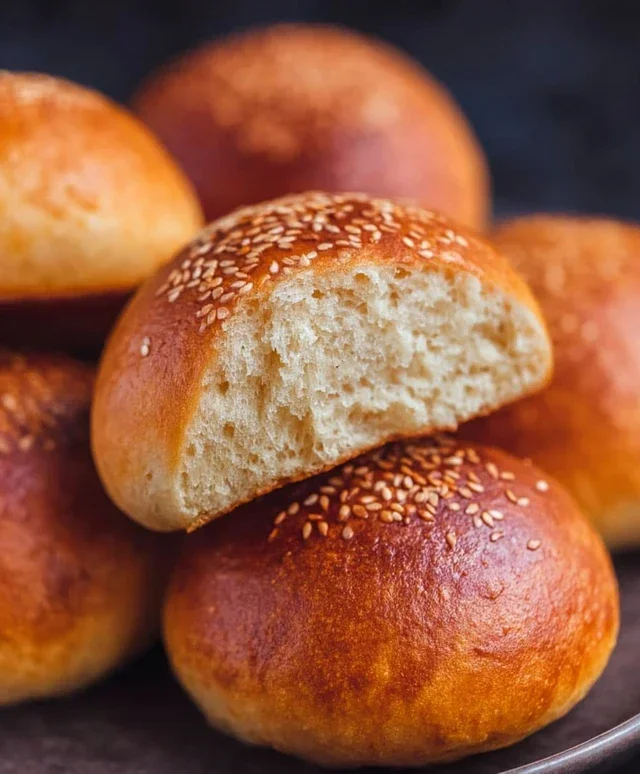
There’s something truly magical about the aroma of freshly baked bread wafting through your home. It’s a smell that evokes warmth, comfort, and a sense of accomplishment. While store-bought loaves are convenient, nothing compares to the satisfaction of pulling a golden-brown, crusty loaf of homemade bread from your own oven. It’s surprisingly simple, and once you master this basic recipe, you’ll wonder why you ever hesitated. This recipe is for a classic, versatile white bread that’s perfect for toasting, sandwiches, or just tearing off a chunk and enjoying with a smear of butter.
Ingredients:
Getting Started: Activating the Yeast
The first crucial step in making delicious bread is waking up your yeast. In a large mixing bowl (or the bowl of your stand mixer), combine the warm water, active dry yeast, and your chosen sweetener (honey or sugar). Stir gently to combine. The water temperature is important here; too hot and you’ll kill the yeast, too cold and it won’t activate properly. Aim for that sweet spot between 105 and 115 degrees Fahrenheit, which should feel comfortably warm to the touch. Let this mixture sit undisturbed for about 5-10 minutes. You’ll know the yeast is alive and kicking when it becomes frothy and bubbly on the surface, almost like a tiny yeast ‘bloom.’ If you don’t see any activity after 10 minutes, your yeast might be old or the water temperature was off, and you’ll need to start again.
Building the Dough: Adding the Foundation
Once your yeast is active, it’s time to add the rest of the core ingredients to create your dough. To the yeasty mixture, add the salt and oil. The oil contributes to a softer crum extractb and helps prevent the dough from sticking. Now, it’s time to introduce the flour. Start by adding 4 cups of your all-purpose or bread flour to the bowl. If you’re using a stand mixer, attach the dough hook and mix on low speed until the ingredients just start to come together. If you’re mixing by hand, use a sturdy spoon or spatula to incorporate the flour.
Kneading for Texture and Structure
This is where the magic happens, and where you develop the gluten that gives bread its wonderful chewy texture. Continue to add flour, about half a cup at a time, mixing until the dough begin extracts to pull away from the sides of the bowl. You’re looking for a dough that is still slightly sticky but manageable. The total amount of flour needed can vary depending on the humidity and the type of flour you use, so don’t be afraid to go a little over or under 5 1/2 cups.
If the dough feels too sticky, add a tablespoon of flour at a time. If it feels too dry and is not coming together, add a tablespoon of warm water at a time. Over-kneading isn’t really a concern with most home mixers, but under-kneading will result in a dense loaf.
First Rise: Letting the Dough Proof
Lightly grease a clean large bowl with a little oil. Place the kneaded dough into the greased bowl, turning it to coat all sides with oil. This prevents a dry crust from forming. Cover the bowl tightly with plastic wrap or a damp kitchen towel. Place the bowl in a warm, draft-free spot to rise. A good place is often in a slightly warmed oven (turned off, of course!) or near a sunny window. Allow the dough to rise for 1 to 1.5 hours, or until it has doubled in size. You’ll know it’s ready when you gently poke it with a floured finger, and the indentation remains.
Shaping and Second Rise
Once your dough has doubled, gently punch it down to release the air. Turn the dough out onto a lightly floured surface. You can shape this into one large loaf or divide it into two smaller loaves. To shape a single loaf, gently flatten the dough into a rough rectangle, then fold the top third down and the bottom third up, like folding a letter. Pinch the seams to seal. Then, tuck the ends under and gently roll it into a smooth, oblong shape. Place the shaped loaf (or loaves) into a greased loaf pan or onto a baking sheet lined with parchment paper. Cover again and let it rise for another 30-45 minutes, or until visibly puffed up and nearly doubled in size. This second rise, or proofing, is crucial for a light and airy texture.
Baking to Golden Perfection
Preheat your oven to 375 degrees Fahrenheit (190 degrees Celsius). If you like a shiny crust, you can brush the top of your risen loaf with a little milk or an egg wash before baking. Bake for 30-40 minutes for a large loaf, or 25-30 minutes for smaller loaves, or until the crust is golden brown and the internal temperature reaches 190-200 degrees Fahrenheit (88-93 degrees Celsius) when checked with an instant-read thermometer. You can also tap the bottom of the loaf; it should sound hollow.
Cooling and Enjoying
This is arguably the hardest part: waiting for the bread to cool! Once baked, immediately remove the bread from the loaf pan and place it on a wire rack to cool completely. This allows steam to escape and prevents the bottom crust from becoming soggy. Resist the urge to slice into it while it’s still warm and steaming. Once cooled, slice, spread with your favorite topping, and enjoy the fruits of your labor. Homemade bread is a labor of love, but the reward is immeasurable.

Conclusion:
Making homemade bread from scratch is a truly rewarding experience, and this recipe makes it incredibly accessible. You’ve learned how to transform simple ingredients into a warm, fragrant loaf with a perfect crust and a delightfully soft interior. The aroma alone will fill your kitchen with a sense of accomplishment and comfort. Don’t be intimidated; the process is straightforward and incredibly forgiving. This versatile loaf is fantastic served warm with a smear of butter, alongside soups and stews, or as the base for amazing sandwiches. Feel empowered to experiment with variations! Try adding seeds, herbs, or a touch of honey for sweetness. I highly encourage you to dive in and bake your first loaf. The satisfaction of pulling a golden-brown masterpiece from your own oven is unparalleled, and it’s a skill that brings joy for years to come.
Frequently Asked Questions:
Why isn’t my bread rising properly?
Several factors can affect rising. Ensure your yeast is fresh and active. Water temperature is crucial; too hot will kill it, too cold will slow it down. Make sure you’re allowing enough time for the dough to proof in a warm, draft-free environment. Overworking the dough can also hinder its ability to rise.
Can I freeze homemade bread?
Absolutely! Once your loaf has completely cooled, you can wrap it tightly in plastic wrap and then in foil or place it in a freezer-safe bag. It will keep well for up to 3 months. Thaw at room temperature or gently toast slices from frozen.
Homemade Bread
A simple and delicious recipe for classic homemade bread, perfect for sandwiches or toast.
Ingredients
-
2 cups warm water (105-115 degrees)
-
1 Tablespoons active dry yeast
-
1/4 cup honey
-
2 teaspoons salt
-
2 Tablespoons canola oil
-
4 – 5 1/2 cups all-purpose flour
Instructions
-
Step 1
In a large bowl, combine the warm water, honey, and active dry yeast. Let stand for 5-10 minutes until foamy. -
Step 2
Stir in the salt and canola oil. -
Step 3
Gradually add the flour, 1 cup at a time, mixing until a shaggy dough forms. Knead for 8-10 minutes until smooth and elastic. -
Step 4
Place the dough in a lightly oiled bowl, turning to coat. Cover and let rise in a warm place for 1 hour, or until doubled in size. -
Step 5
Punch down the dough and shape it into a loaf. Place in a greased loaf pan. -
Step 6
Let rise again for 30 minutes, or until almost doubled. Preheat oven to 375°F (190°C). -
Step 7
Bake for 30-35 minutes, or until golden brown and the internal temperature reaches 190-200°F (88-93°C). -
Step 8
Remove from pan and let cool on a wire rack before slicing.
Important Information
Nutrition Facts (Per Serving)
It is important to consider this information as approximate and not to use it as definitive health advice.
Allergy Information
Please check ingredients for potential allergens and consult a health professional if in doubt.