Easy Clay Pie Recipe- Deliciously Simple Dessert
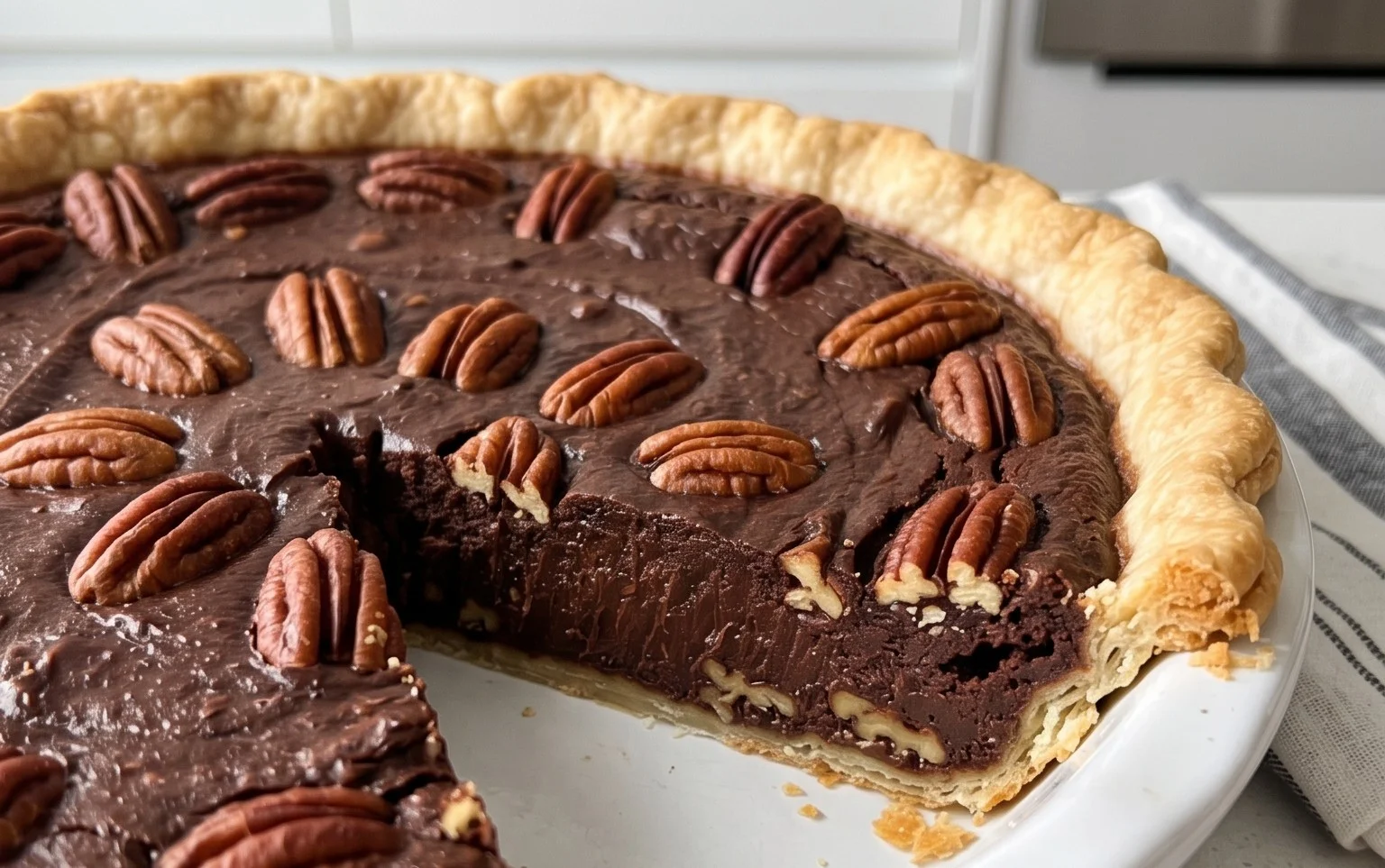
How to Make a Clay Pie is more than just a recipe; it’s an experience, a journey back to simpler times and wholesome traditions. Have you ever craved that comforting, earthy aroma that fills the kitchen as something truly special bakes? That’s the magic of a clay pie. This isn’t your average dessert; it’s a rustic masterpiece, a testament to the beauty of natural ingredients and slow, deliberate cooking. People adore clay pies because they offer an unparalleled depth of flavor and a wonderfully satisfying texture – a hearty embrace in every bite. What truly sets a clay pie apart is its unique cooking method, allowing flavors to meld and develop in a way that’s simply impossible with conventional baking. Get ready to discover the joy and deliciousness of making your very own authentic clay pie!
How to Make a Clay Pie
Welcome to a fun and surprisingly satisfying crafting project! Today, we’re going to dive into the delightful world of miniature food, specifically, making a charming little clay pie. This is a perfect project for begin extractners and experienced crafters alike, offering a chance to get creative with colours and textures. We’ll be using polymer clay, which is incredibly versatile and forgiving, allowing you to achieve realistic-looking results with a few simple techniques. Whether you’re creating a miniature scene, a charm for a bracelet, or just enjoying the tactile experience, this clay pie is sure to bring a smile to your face. Let’s get started!
Ingredients:
Preparing Your Workspace and Materials
Before we begin extract, it’s essential to prepare your crafting area. Polymer clay can be a bit sticky, so a clean, smooth, non-porous surface is ideal. A tile, glass mat, or even a piece of parchment paper will work wonderfully. Make sure your hands are clean before you start handling the clay, as you don’t want any stray dust or lint getting incorporated.
Take out your tan polymer clay. You’ll want to condition this clay until it’s soft and pliable. This means kneading it thoroughly. If the clay is a little stiff, you can warm it up by rolling it between your hands or gently pressing it with a rolling pin. Once it’s soft, you’ll roll it out into a thin, even sheet. The thickness will determine the crust of your pie, so aim for something around 2-3 millimeters.
Step 1: Creating the Pie Crust
This is where we form the base of our delicious-looking pie. Take your conditioned tan polymer clay and roll it out into a circle. The size of this circle will depend on the size of your silver bottle cap, which will serve as the pie dish. You want the circle to be large enough to drape over the edges of the bottle cap and create a nice overhang.
Once you have your clay circle, gently place it over the silver bottle cap. Press the clay down into the cap, making sure it conforms to the shape. Use your fingertip or a blunt tool to gently press the clay up the sides of the bottle cap. You want to create a rim that looks like a pie crust. Don’t worry about perfection here; a slightly uneven edge can actually add to the rustic charm of your pie. You can then trim any excess clay from the rim with a craft knife or scissors, or simply fold it over to create a thicker edge.
Step 2: Adding Texture to the Crust
A realistic pie crust has texture! For this, we’ll use our soft pastels. Take your two shades of brown soft pastels and use a stiff brush (an old makeup brush or a craft brush works well) to lightly dust the edges and surface of your clay crust. You can use a lighter brown for subtle highlights and a darker brown for more pronounced shadows or areas that might be slightly more browned in a real pie. Gently blend the pastel dust into the clay with the brush or your finger to create a more natural, baked appearance. This step is crucial for adding depth and realism to your pie. Experiment with different amounts of pastel to achieve the desired effect. You can even use a toothpick to gently scrape or indent lines to mimic the flaky layers of a pastry.
Step 3: Preparing the Pie Filling
Now for the mouth-watering part – the filling! Take your red polymer clay (or whichever colour you’ve chosen for your filling). Roll this clay into a ball and then gently flatten it out. The amount of filling you use will depend on how full you want your pie to be. You can make it a smooth, even layer or create a slightly uneven, rustic look.
Once you have your flattened filling, carefully place it inside the prepared crust. Gently press it down so it sits snugly within the bottle cap. You can create a slight dome shape if you want a more generous filling. If you’re using a different colour, like a yellow for lemon or a brown for chocolate, the same principles apply.
Step 4: Creating the Pie Lattice or Top
This step adds a beautiful decorative element and really completes the pie illusion. For a classic look, we’ll create a lattice top. Take a small amount of your tan polymer clay and roll it into very thin strands. You can use a pasta machine for this if you have one, or simply roll it by hand until the strands are as thin as possible, similar to fine spaghetti.
Carefully lay these thin clay strands across the top of your pie filling. Start by laying them parallel to each other, spaced evenly apart. Then, weave other strands over and under these initial strands to create a lattice pattern. Trim any excess clay from the edges of the lattice so it sits neatly within the pie crust. You can also create a solid top crust if you prefer, by rolling out another circle of tan clay and cutting slits for steam vents. Another option is to create a decorative edge by pressing a fork into the crust.
Step 5: Baking and Finishing
Once your clay pie is assembled and looks exactly how you want it, it’s time to “bake” it. Polymer clay bakes in a conventional oven. Follow the baking instructions on your specific brand of polymer clay, as temperatures and times can vary. Generally, it involves baking at a low temperature (around 110-130°C or 230-275°F) for a specific duration. Ensure your pie is on a heat-safe surface, like parchment paper on a baking sheet.
After baking, allow the pie to cool completely before handling. Once cool, you can apply a sealant if you wish, although it’s not always necessary. For an extra touch of realism, you can use a clear gloss varnish on the filling to give it a slightly wet or glazed appearance. And there you have it – a beautiful, handmade clay pie, ready to be admired!
Conclusion:
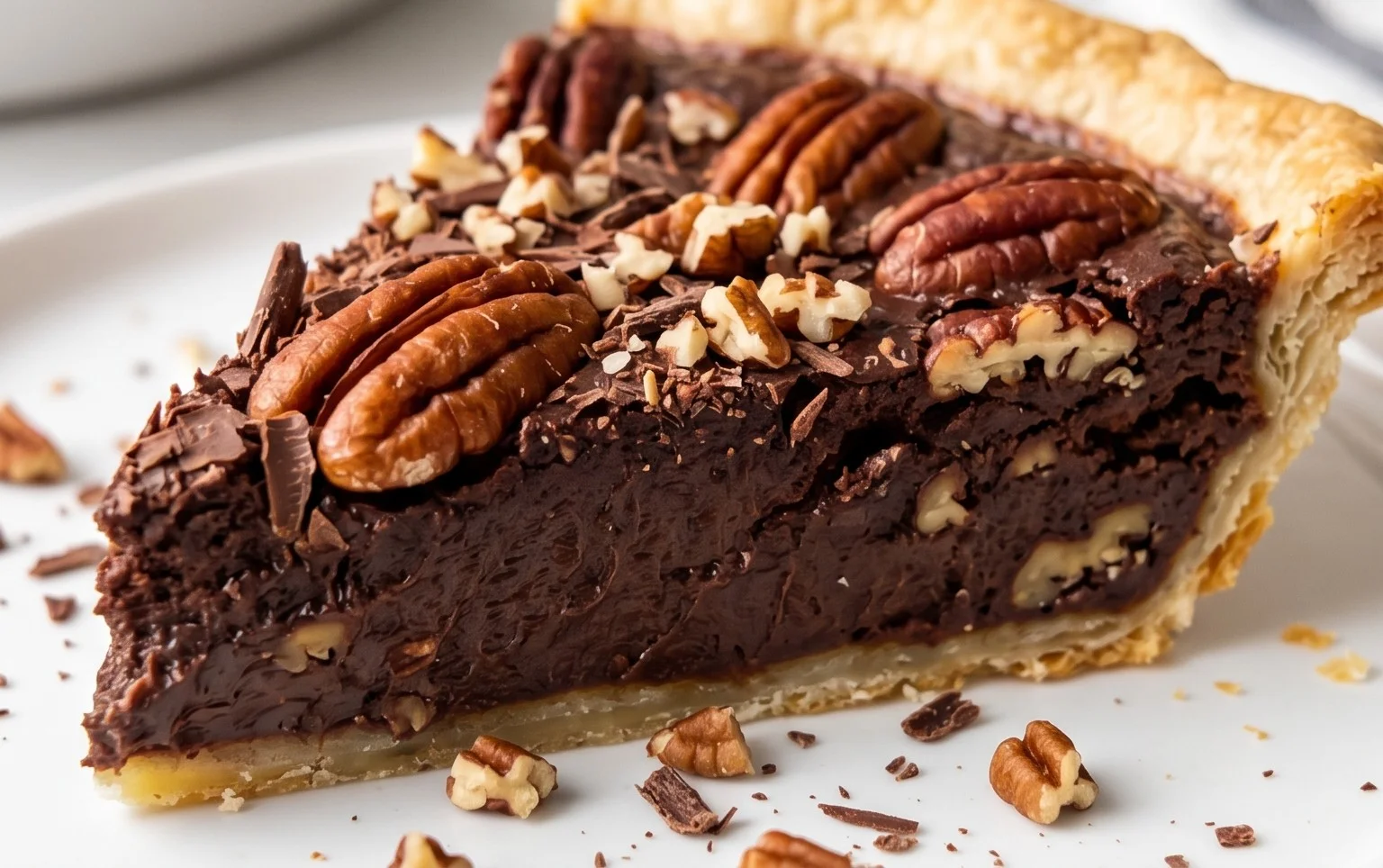
And there you have it! Crafting a clay pie is a wonderfully tactile and rewarding experience, offering a unique way to engage with art and creativity. This recipe is fantastic because it’s accessible, allowing anyone to create a beautiful, decorative piece with simple materials. The satisfaction of molding and shaping the clay, and then seeing your finished pie come to life, is truly immense. Whether you’re looking for a fun afternoon activity, a charming homemade gift, or a unique decorative item for your home, this clay pie recipe is a winner.
Serving suggestions might seem unconventional for a clay pie, but think of it as a centerpiece! Display your finished creation on a shelf, a mantelpiece, or as part of a larger display. For variations, don’t be afraid to experiment with different clay colors, adding textures with tools, or even incorporating small embellishments before the clay fully dries. You could also try painting your pie once it’s hardened for an even more personalized touch. I truly encourage you to give this a try; it’s a delightful journey from a lump of clay to a charming pie!
Frequently Asked Questions:
Can I use air-dry clay for this recipe?
Absolutely! Air-dry clay is perfect for this project. It’s readily available, doesn’t require any special baking, and dries to a hard finish that can then be painted or senon-alcoholic aled.
How long does it take for the clay pie to dry?
Drying times can vary depending on the thickness of your clay and the humidity in your environment. Generally, air-dry clay can take anywhere from 24 to 72 hours to dry completely. It’s best to let it air dry away from direct heat or sunlight.
Can I make a clay pie that is food safe?
No, this clay pie is purely decorative. The materials used are not food safe, so it should not be used for serving actual food.
How to Make a Clay Pie
A simple guide to creating a miniature, decorative pie using polymer clay.
Ingredients
-
1 ounce Tan Polymer clay
-
1 Silver bottle cap
-
1 ounce Red Polymer clay
-
2 shades of Soft pastels (brown)
-
1/4 teaspoon Cornstarch
-
1/8 teaspoon Water
-
Tiny pinch of white polymer clay (for highlights)
Instructions
-
Step 1
Condition the Tan Polymer clay until pliable. Roll it out thinly and cut a circle to fit the inside of the Silver bottle cap. Press the clay into the cap to form the pie crust. -
Step 2
Condition the Red Polymer clay. Roll it into a ball and slightly flatten it to resemble pie filling. Place this inside the prepared crust. -
Step 3
For a more realistic crust texture, gently press a fork or toothpick into the edges of the Tan Polymer clay crust. You can also add a lattice top if desired, by cutting thin strips of Tan clay and weaving them over the filling. -
Step 4
Use the Soft pastels to add a subtle baked appearance to the crust. Lightly rub a brown pastel shade onto the edges and any raised areas. Mix a tiny bit of water with cornstarch to create a wash, and brush it sparingly over the filling for a glazed look. -
Step 5
For subtle highlights or imperfections on the filling, mix a minuscule amount of white polymer clay with the red filling clay and dab it on lightly. This can mimic seeds or lighter areas. -
Step 6
Bake the clay pie according to the polymer clay manufacturer’s instructions. Typically, this involves baking at a low temperature (around 275°F or 135°C) for 15 minutes. -
Step 7
Allow the pie to cool completely before handling.
Important Information
Nutrition Facts (Per Serving)
It is important to consider this information as approximate and not to use it as definitive health advice.
Allergy Information
Please check ingredients for potential allergens and consult a health professional if in doubt.